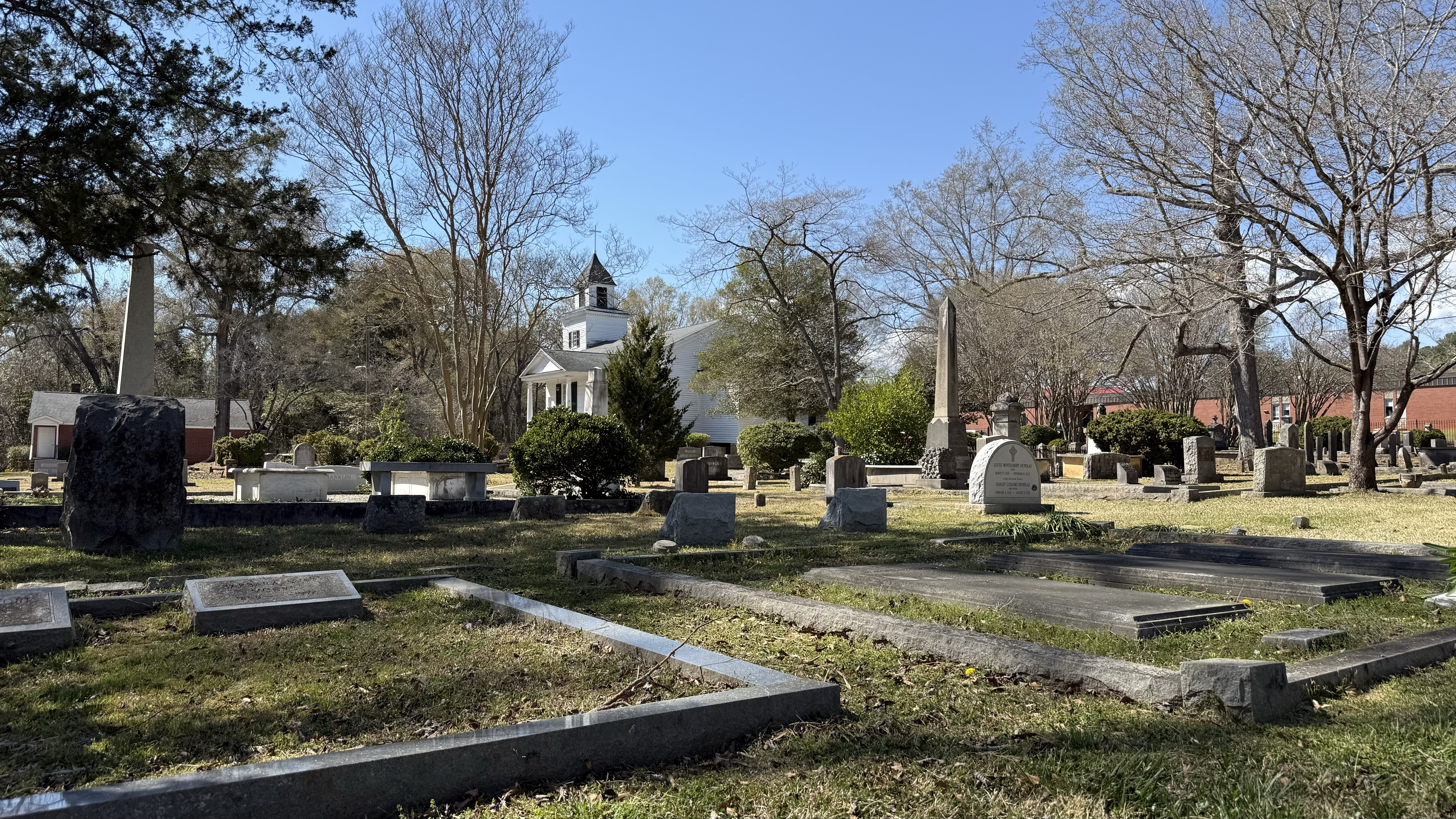
Project History
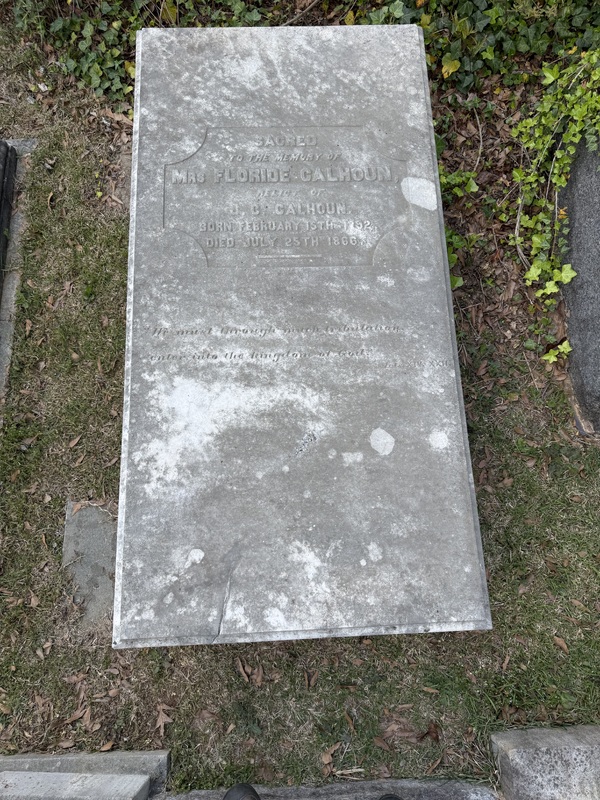
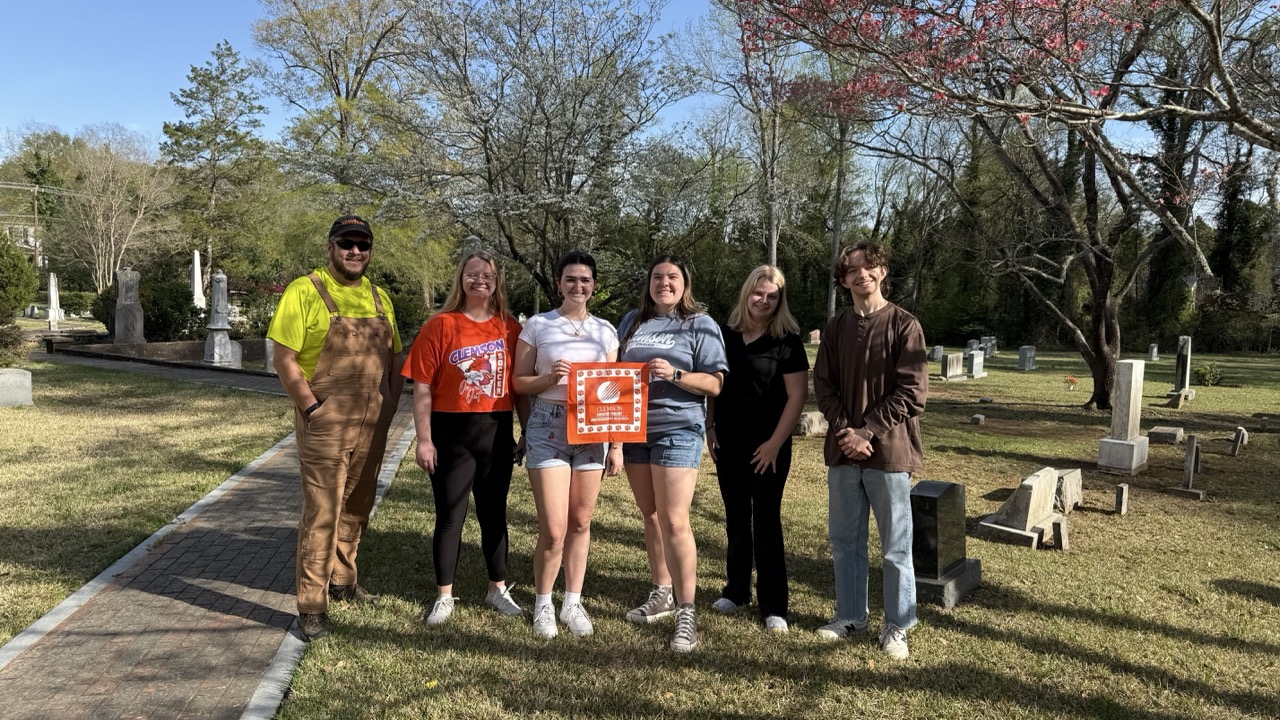
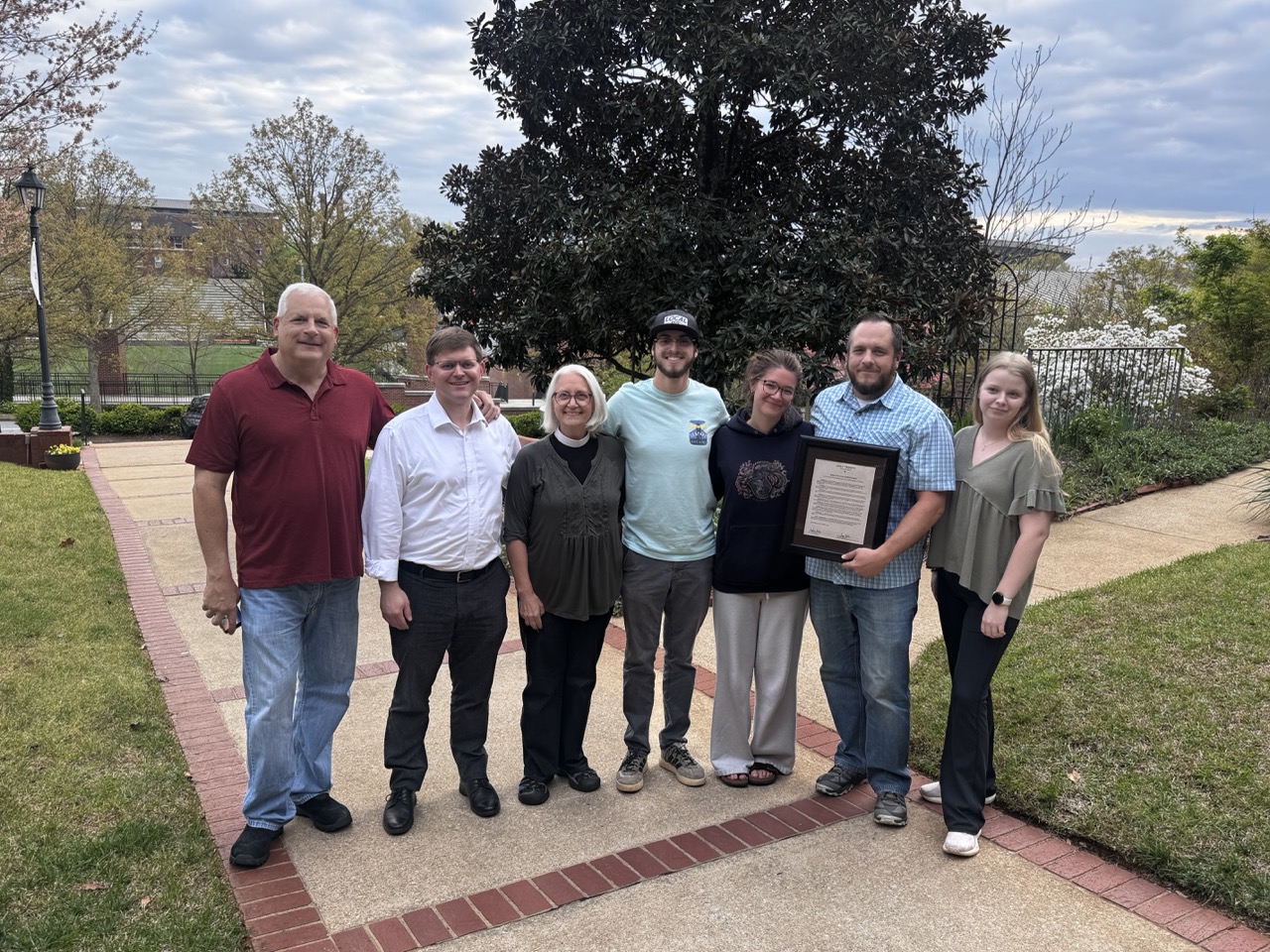
This project is a collaboration between Holy Trinity Episcopal Church (the mother church of St. Paul's) and Clemson University, beginning in Spring 2025. This partnership provides an opportunity for undergraduate students to gain valuable experience in historic preservation of cemeteries while contributing to the restoration of St. Paul's Episcopal Church cemetery.
Project Team
Holy Trinity
Rev. Suzanne L. Cate, Rector
Chris Heerwagen, Junior Warden
Dr. Andrew Baker, Historian
Clemson University
Dr. Spencer W. Roberts, Creative Inquiry Mentor
Jared Gingrich, GIS and Drone Mapping Specialist
Undergraduate Team
- Hunter Calvert, Parks, Recreation, and Tourism
- Claire Carruthers, History
- Mack Edmunds, History
- Andrew Evans, History
- Alex Fisher, American Sign Language
- Juliette Fleck, Anthropology
- Patrick Higgins, History
- Kailey Laurenitis, History
- Grant Lupien, History
- Payton Pennington, Anthropology
- Hanna Taylor, History
This project is supported by Clemson Creative Inquiry + Undergraduate Research

Preservation and Documentation
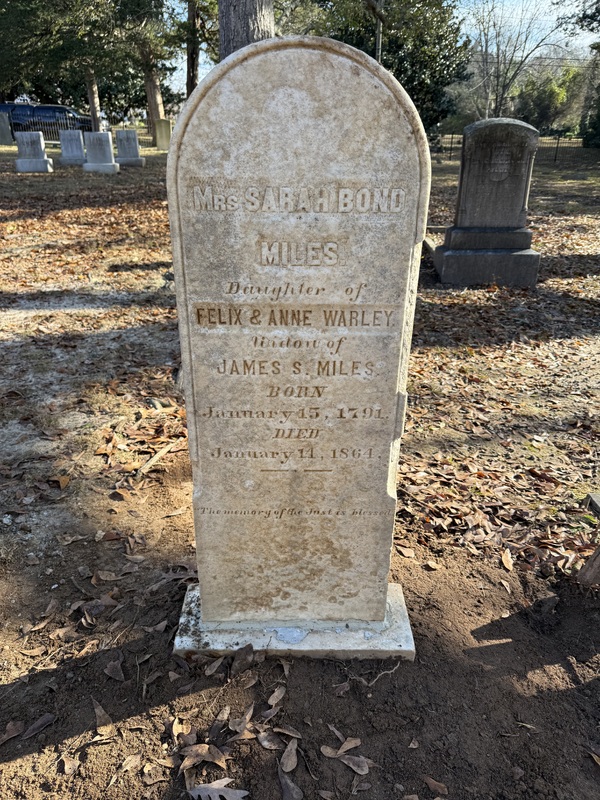
Students enrolled in the Creative Inquiry class are engaged in preservation and documentation that has a real-world and an online presence. While restoring the cemetery to improve the experience of visitors and members of the congregation, students are also documenting the location of every burial site and taking photographs of all the headstones.
Headstone Repairs
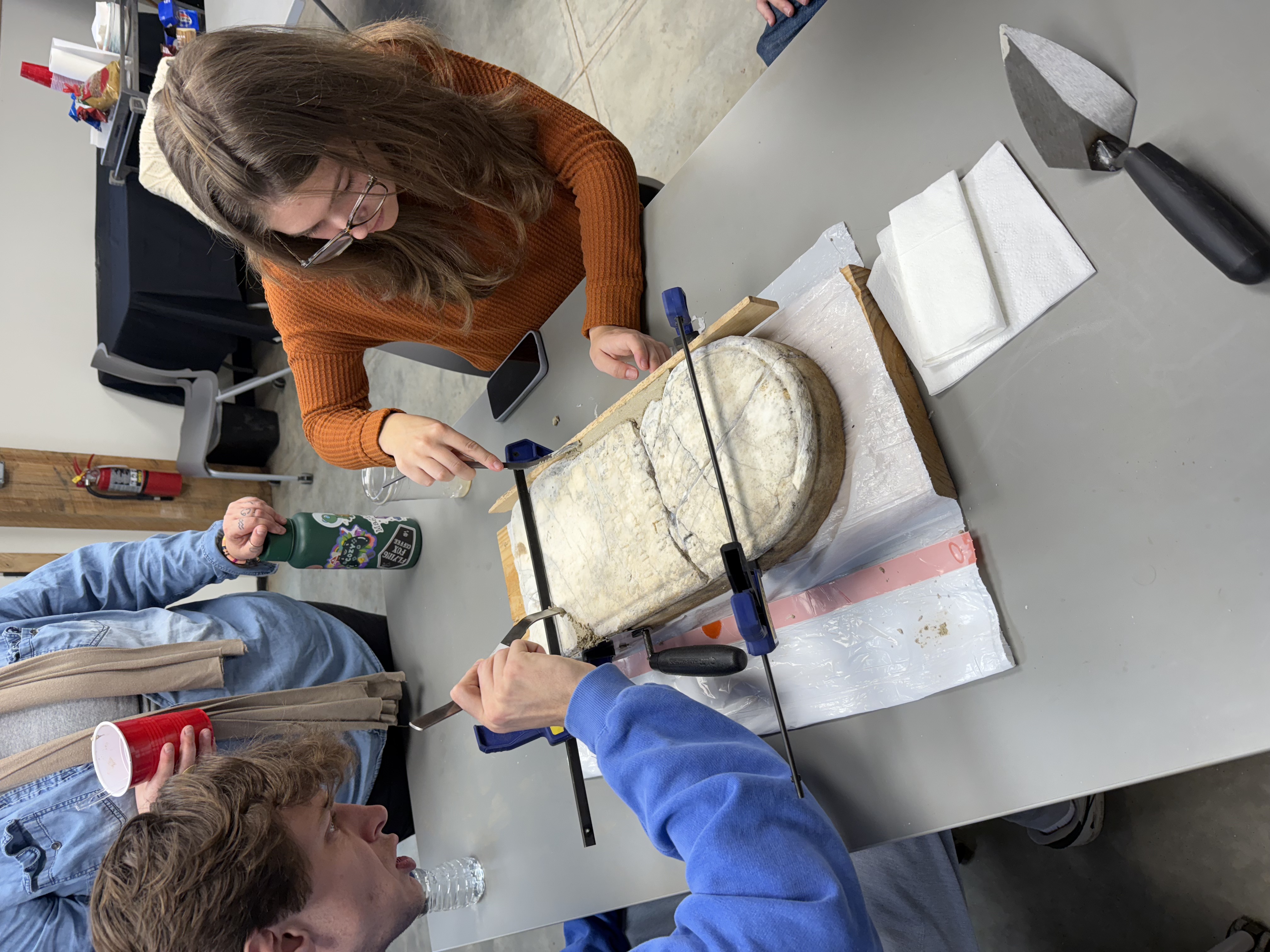
Over time, older headstones are susceptible to breakage, usually where the stone is supported by the ground. Other markers can become damaged by falling trees or vandals. The team uses a combination of two-part epoxy and historic lime mortar to repair broken headstones.
Resetting Markers
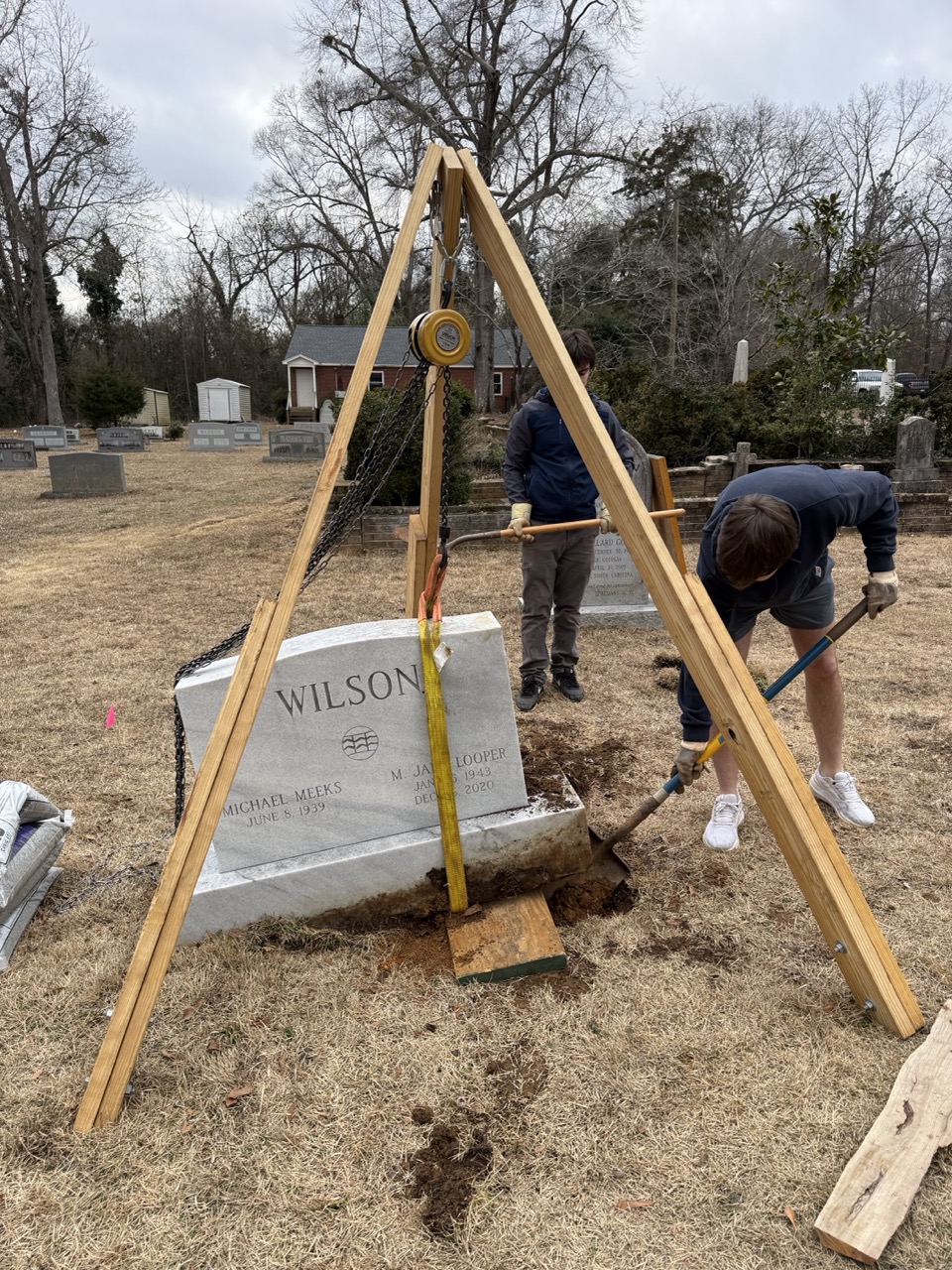
When large markers are toppled or sink into the ground, resetting them to level requires care to lift the stone, rebuild the foundation, and reset the stone. In these cases, the team uses pry bars and a 1-ton chain hoist on a tripod to raise and reset the stone on a new base of gravel.
Restoring Headstones
Over time, headstones can grow lichen, moss, mold, and mildew that makes the incription illegible and can damage the surface of the stone. To improve legibility and preserve the stone, the team uses D/2 Biological Solution to clean off plant growth and restore headstones to a condition closer to their original. This process is based on best practices in the field of historic preservation.
Geolocating and Imaging Burial Sites
The team is producing a digital map of the cemetery, using GPS surveying equipment to collect coordinates for each burial site. That data is combined with aerial photography and a topographical survey using Light Detection and Ranging (LiDAR) produced by Jared Gingrich of Clemson Center for Geospatial Technologies.
Research Findings
- LiDAR data does not always reveal all ground features, especially for overgrown sites.
- Pairing LiDAR with aerial imagery is helpful to understand what can be seen.
- Aerial imagery is easier for a wider audience to interpret.
- D/2 Biological Solution coverage: 1 gallon of D/2 covers about 25 headstones of various sizes.